- Invisible Rules
- Posts
- 3 Hidden AI Triggers to Outsmart B2B Skepticism
3 Hidden AI Triggers to Outsmart B2B Skepticism

Ujwal Arkalgud
May 08, 2026
TLDR; Your enterprise clients aren't buying AI to innovate; they’re buying it to feel right. I’m breaking down why selling efficiency is a trap and how the most successful vendors are using "Assumption-Breaking" to trigger scarcity and close six-figure deals.
In this issue, we’ll tackle:
The Confirmation Bias Trap: Why your demo is probably boring your prospects to death.
The Scarcity Pivot: How to make a buyer realize their mental model is obsolete.
The Assumption-Breaker Checklist: 3 questions to vet your own sales narrative.
Let’s dive right in.
The Enterprise Comfort Blanket
Walk into any boardroom today and you’ll hear the same thing: "We need an AI strategy."
But if you look closer at how these organizations actually deploy the tech, you’ll notice a pattern that is both hilarious and tragic. They aren't looking for a new frontier. They are looking for a high-tech mirror.
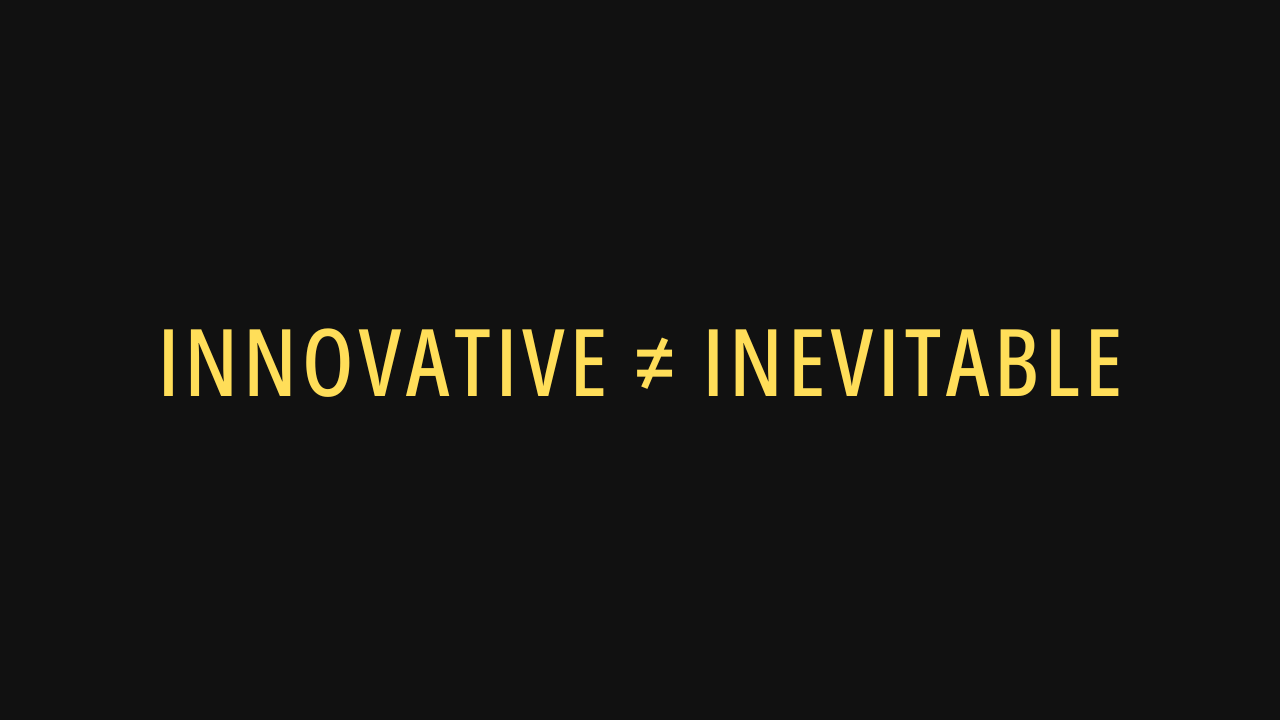
Most B2B buyers are currently using AI for Confirmation Bias. They want a tool that tells them their current strategy is brilliant, just 20% faster. If you show up as a vendor promising ease and speed, you aren't a visionary; you’re just a more expensive version of the status quo. You’ve become a commodity before the first invoice is even sent.
The Pivot: From Helpful to Hated (In a Good Way)
If you want to stand out, you have to stop being helpful and start being a provocateur.
In my book, Invisible Rules: How to Outsmart the Entrepreneurial Game, I talk about how lasting credibility comes from consistent demonstration, not just dramatic declarations. In the AI space, that demonstration is the act of shifting the narrative.
When you walk into an enterprise and show them that their safe AI application is actually blinding them to massive market opportunities, something magical happens: Scarcity.
You aren't selling software anymore. You are selling the realization that their competitors might already be seeing what they are missing. You are triggering the Curiosity Gap—a cognitive bias that makes people lean in closer when presented with counter-intuitive information.
This is how we won with MotivBase. We learned enterprises don’t buy insight. They buy orientation. If you show up with better data, you’re just helping them do the same thinking faster. The win came when we made a sharper move: we told them their definition of consumer trends was built for safety, not accuracy. That discomfort created scarcity—if your method can’t see what’s changing, you’re already behind. And then we did the second half of the job: we gave them a new narrative they could defend internally, using their language, their formats, and their politics. That’s why we didn’t become a vendor. We became the guide back to control.
Are You Playing the Confirmation Game?
You can’t just solve a problem with ease and speed. That’s not enough to trigger an investment in a skeptical market. You have to break their assumptions.
But how do you know if you’re actually doing it? Ask these three questions about your current sales narrative:
Does my demo confirm what they already know, or does it point out a "Power Pocket" they didn't know existed? (A power pocket is the small, overlooked moment where your prospect’s current belief breaks—an edge case, contradiction, or uncomfortable truth that makes them think, “Wait… our model of the world is wrong,” and opens the door to your new narrative.)
Am I using "Insider Language" to sound like them, or am I using "Counter-Intuitive Insights" to sound like the expert they need? (Insider language earns rapport, but counter-intuitive insights earn authority. If you’re only mirroring their vocabulary, you’re not changing their mind.)
If they don't buy my solution today, do they leave the room feeling safe, or do they leave feeling like they’re missing the Invisible Rules of their own industry? (A great pitch doesn’t just explain your product; it makes doing nothing feel riskier than trying something new.)
The Bottom Line
AI adoption isn't a technology problem; it’s an anthropology problem. If you aren't pushing your clients into a place of productive discomfort, you aren't selling a solution, you’re selling a security blanket. And security blankets don't command enterprise margins.
Provocative Question: Look at your last three discovery calls. Did you spend more time agreeing with the client’s pain points, or did you spend more time explaining why those pain points are actually symptoms of a much bigger problem they haven't seen yet?
Keep Reading